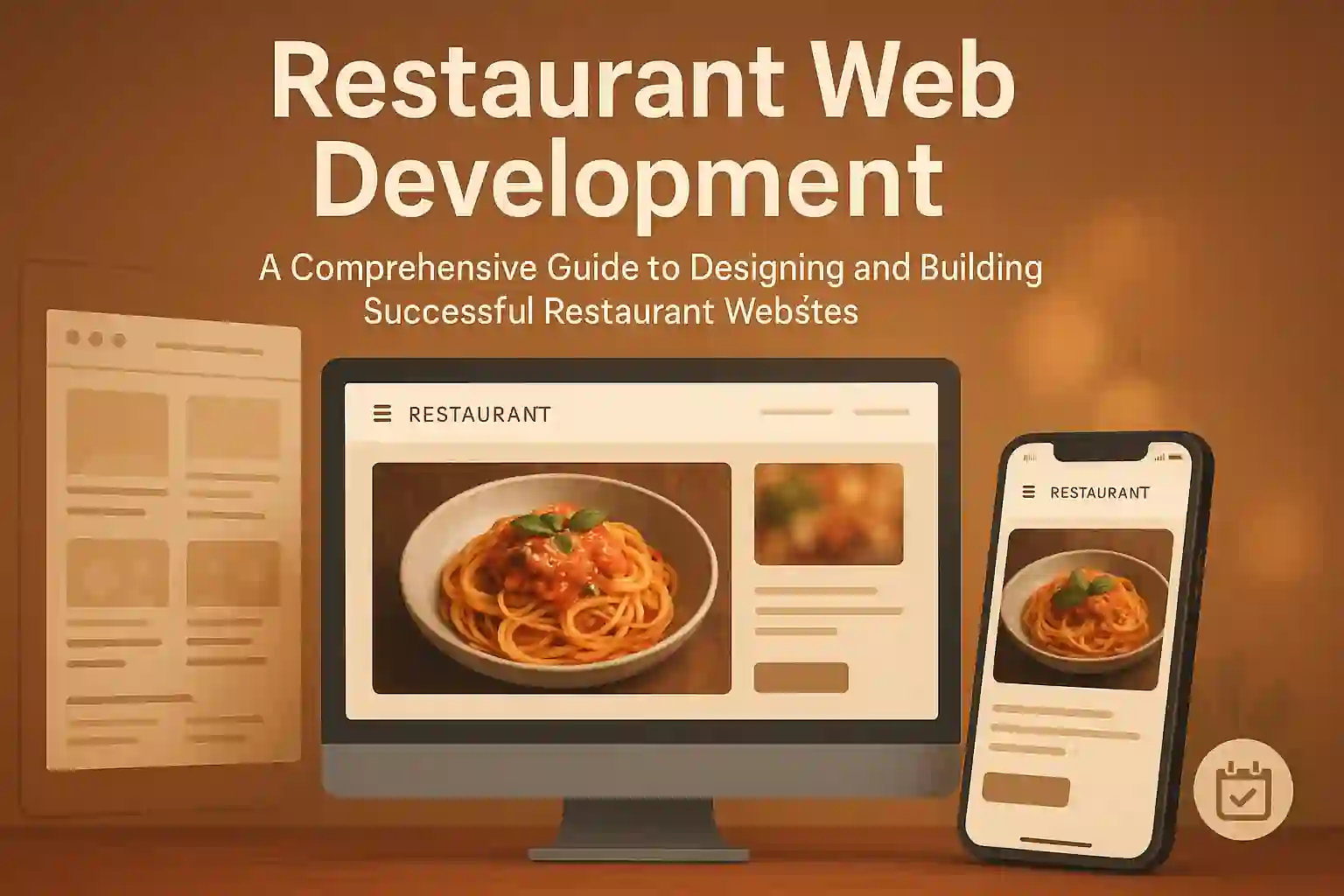
In today’s digital landscape, restaurant web development has become the cornerstone of culinary success. Whether you’re running a cozy neighborhood bistro or a high-end fine dining establishment, your online presence directly impacts your bottom line. Studies show that over 85% of diners research restaurants online before making a reservation, making professional restaurant web development not just beneficial—but absolutely essential for survival in the competitive food industry.
This comprehensive guide will walk you through everything you need to know about creating a powerful restaurant website that drives reservations, increases orders, and builds lasting customer relationships. From understanding the fundamentals to exploring advanced features, we’ll cover the complete journey of restaurant web development.
Understanding Restaurant Web Development: More Than Just Pretty Pictures
Restaurant web development goes far beyond showcasing beautiful food photography and listing your menu items. It’s about creating a digital experience that mirrors the quality and atmosphere of your physical establishment while providing practical functionality that serves both your business goals and customer needs.
Modern restaurant websites must seamlessly integrate multiple technologies and platforms. This includes content management systems, reservation booking platforms, online ordering systems, payment gateways, and mobile optimization—all working together to create a cohesive user experience.
Key Components of Professional Restaurant Web Development:
- Responsive design that works flawlessly across all devices
- Fast-loading pages optimized for mobile users
- Integrated reservation and ordering systems
- Search engine optimization for local discovery
- Social media integration and review management
- Analytics tracking for performance monitoring
The complexity of these requirements makes working with an experienced restaurant developer crucial for achieving professional results that actually drive business growth.
Essential Features Every Restaurant Website Needs
Core Functionality Requirements
Menu Display and Management Your digital menu is often the first point of contact between potential customers and your restaurant. Professional restaurant web development ensures your menu is not only visually appealing but also functional and easy to update. This includes features like dietary restriction filters, ingredient lists, pricing updates, and seasonal menu rotations.
Reservation System Integration Modern diners expect the convenience of online reservations. A properly developed restaurant website integrates seamlessly with reservation platforms like OpenTable, Resy, or custom booking systems. This integration should provide real-time availability, confirmation emails, and easy modification options.
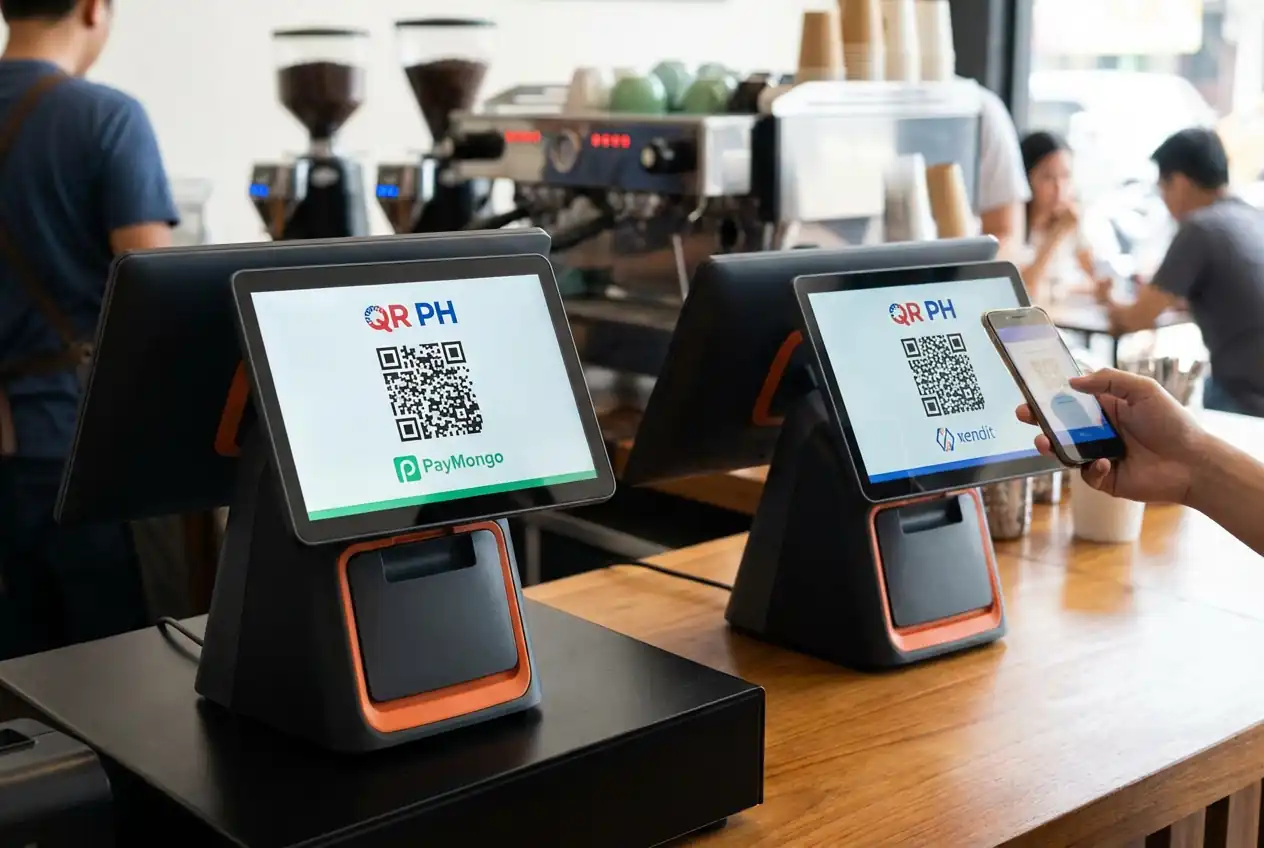
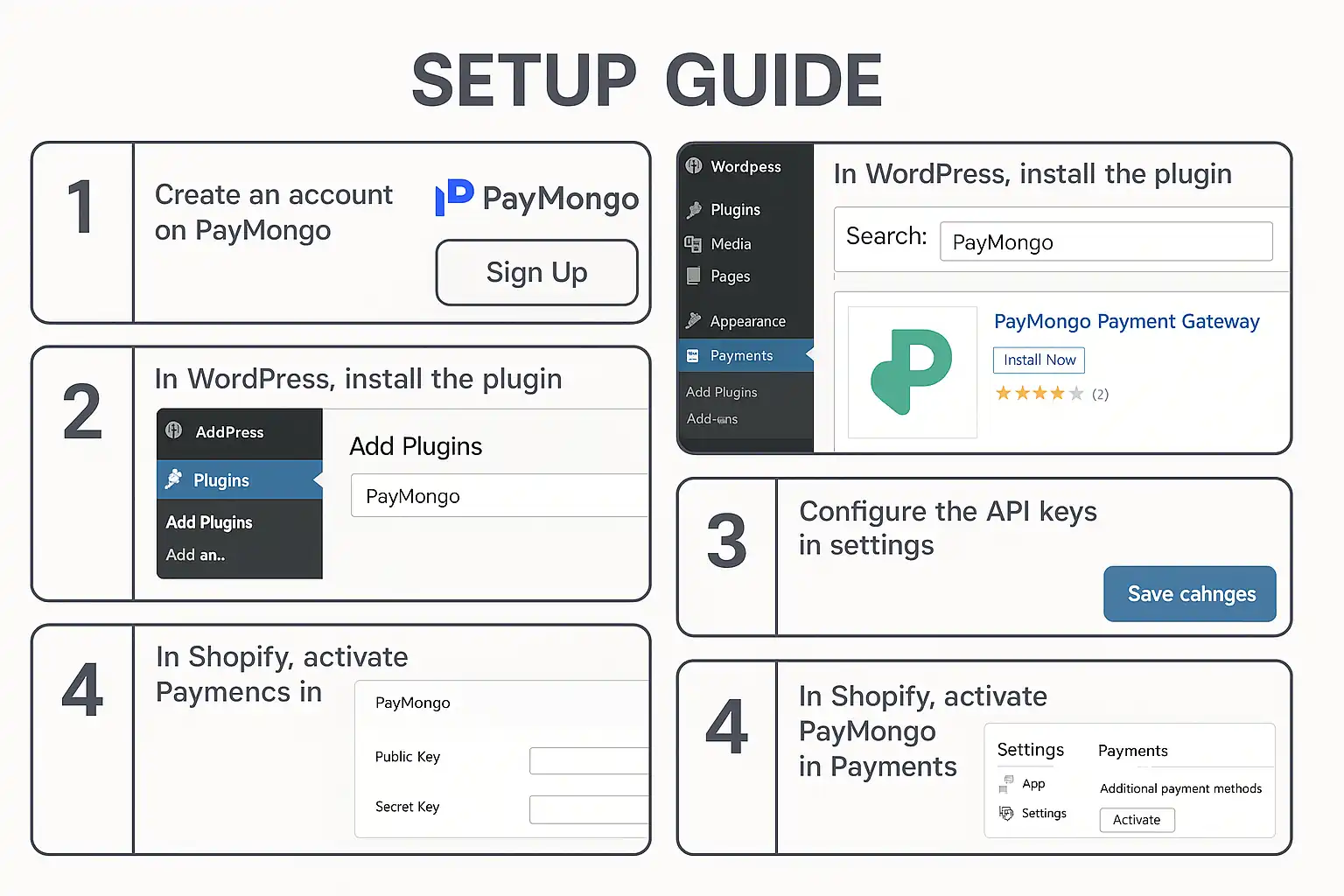
Online Ordering Capabilities With the explosive growth of food delivery and takeout, online ordering functionality has become essential. Restaurant web development should include secure payment processing, order customization options, delivery scheduling, and integration with third-party delivery platforms when needed. If your restaurant operates in the Philippines, choosing the right payment processor for this setup is crucial. Diners increasingly expect to pay for their takeout or delivery using the national QR Ph standard, which lets them scan and pay from almost any local bank or e-wallet. To see how the top local gateways handle this feature for online ordering systems, read our guide on the QR PH Payment Method: PayMongo & Xendit Payment Gateway.
Visual and User Experience Elements
High-Quality Photography Integration Professional food photography requires specialized display techniques. Restaurant web development includes optimized image loading, gallery functionality, and responsive image sizing that maintains quality across all screen sizes.
Location and Contact Information Clear, easily accessible contact information and location details are fundamental. This includes interactive maps, parking information, hours of operation, and multiple contact methods. Proper implementation also includes schema markup for improved search engine visibility.
Customer Review Display Social proof drives restaurant selection. Professional development includes integration with review platforms like Google, Yelp, and TripAdvisor, displaying testimonials strategically throughout the site to build trust and encourage bookings.
Restaurant Website Design Examples: Inspiration from Industry Leaders
Studying successful restaurant website design examples provides valuable insights into effective strategies and user experience principles. Let’s examine what makes certain restaurant websites stand out in the crowded digital landscape.
Fine Dining Establishments High-end restaurants typically focus on elegant, minimalist designs that reflect their sophisticated atmosphere. These sites often feature large, stunning photography, subtle animations, and premium typography. The restaurant website description emphasizes exclusivity, culinary artistry, and exceptional service quality.
Casual Dining and Family Restaurants Family-friendly establishments usually employ warmer color schemes, playful elements, and clear navigation that appeals to diverse age groups. These designs prioritize easy menu browsing, clear pricing, and family-oriented messaging in their restaurant website description content.
Fast-Casual and Quick Service These restaurants emphasize speed and convenience in their web design. Features include prominent online ordering buttons, simplified menus, and streamlined checkout processes. The focus is on efficiency and getting customers fed quickly.
Specialty and Ethnic Cuisines Restaurants serving specific cultural cuisines often incorporate design elements that reflect their heritage while maintaining modern functionality. These sites balance authentic cultural representation with contemporary web standards.
Restaurant Website Design Price: Understanding Your Investment
When budgeting for restaurant web development, understanding the various factors that influence restaurant website design price helps you make informed decisions and avoid unexpected costs.
Budget-Friendly Options ($500 – $2,500)
Template-Based Solutions Many restaurants start with template-based websites using platforms like WordPress, Squarespace, or Wix. While these options keep the restaurant website design price low, they often come with limitations in customization, functionality, and scalability.
DIY Website Builders Do-it-yourself platforms offer the lowest upfront costs but require significant time investment and may lack professional polish. The real cost often includes the opportunity cost of time spent on development rather than running your restaurant.
Mid-Range Professional Development ($2,500 – $10,000)
Custom WordPress Development Working with a professional restaurant developer to create a custom WordPress site typically falls into this price range. This option provides good balance between cost and functionality, offering custom design while leveraging proven content management systems.
Integrated Functionality Mid-range projects usually include essential integrations like reservation systems, basic online ordering, and mobile optimization. The restaurant website design price reflects the complexity of these integrations and the level of customization required.
Premium Custom Solutions ($10,000+)
Fully Custom Development High-end restaurant web development involves completely custom coding, advanced functionality, and sophisticated design work. These projects often include complex features like multi-location management, advanced analytics, custom ordering systems, and enterprise-level integrations.
Ongoing Maintenance and Support Premium packages typically include ongoing support, regular updates, security monitoring, and performance optimization. This comprehensive approach ensures your investment continues delivering results over time.
Choosing the Right Restaurant Developer
Selecting the right restaurant developer significantly impacts both your project’s success and long-term satisfaction with your website investment.
Technical Expertise Requirements
Platform Specialization Look for developers with specific experience in restaurant industry platforms and integrations. This includes familiarity with reservation systems, POS integration, food delivery platforms, and restaurant-specific compliance requirements.
Mobile Optimization Skills Given that over 60% of restaurant website traffic comes from mobile devices, your developer must demonstrate expertise in responsive design and mobile user experience optimization.
SEO and Local Marketing Knowledge Restaurant success heavily depends on local search visibility. Your developer should understand local SEO strategies, Google My Business optimization, and restaurant-specific schema markup implementation.
Industry-Specific Examples Review potential developers’ restaurant website design examples carefully. Look for diversity in restaurant types, functionality implementation, and design quality. Pay attention to how they handle different restaurant concepts and target audiences.
Client Testimonials and Case Studies Seek developers who can provide detailed case studies showing measurable results from their restaurant web development projects. This includes metrics like increased reservations, higher online orders, and improved search rankings.
Ongoing Support and Maintenance Restaurant websites require regular updates for menu changes, seasonal promotions, and feature enhancements. Ensure your chosen developer offers comprehensive maintenance packages and responsive support.
Technical Considerations for Restaurant Websites
Performance Optimization
Loading Speed Requirements Restaurant websites must load quickly, especially on mobile devices. Studies show that page load times over 3 seconds result in 40% higher bounce rates. Professional restaurant web development includes image optimization, code minification, and content delivery network implementation.
Database Management Restaurants with complex menus, multiple locations, or extensive event calendars need robust database architecture. This ensures fast content updates and scalable growth as your business expands.
Security and Compliance
Payment Processing Security Online ordering functionality requires PCI DSS compliance and secure payment processing. Your restaurant developer must implement proper security measures to protect customer financial information and maintain trust.
Data Privacy Compliance With increasing privacy regulations, restaurant websites must properly handle customer data collection, storage, and usage. This includes GDPR compliance for international customers and state-specific privacy laws.
Integration Challenges and Solutions
POS System Connectivity Modern restaurant web development often requires integration with point-of-sale systems for inventory management, pricing updates, and order processing. These integrations require specialized technical knowledge and ongoing maintenance.
Third-Party Platform Management Restaurants typically use multiple platforms for reservations, reviews, delivery, and marketing. Professional development includes creating seamless connections between these platforms and your website.
Measuring Success: Analytics and ROI
Key Performance Indicators
Conversion Tracking Successful restaurant web development includes comprehensive analytics setup to track reservations, online orders, and customer engagement. This data helps optimize performance and demonstrate return on investment.
Local Search Performance Monitor your restaurant’s visibility in local search results, Google Maps rankings, and review platform performance. These metrics directly correlate with website traffic and business growth.
Continuous Improvement Strategies
A/B Testing Implementation Professional restaurant developers implement testing frameworks to continuously optimize website performance. This includes testing menu layouts, reservation forms, and promotional content.
User Feedback Integration Regular collection and analysis of user feedback helps identify improvement opportunities and ensures your website continues meeting customer expectations.
Conclusion: Building Your Restaurant’s Digital Foundation
Restaurant web development represents a critical investment in your business’s future success. From creating an engaging online presence to implementing powerful functionality that drives reservations and orders, professional website development serves as the foundation for digital marketing efforts and customer acquisition strategies.
The key to successful restaurant web development lies in understanding your specific business needs, target audience, and growth objectives. Whether you’re working with a restaurant developer on a budget-friendly solution or investing in premium custom development, focus on creating genuine value for your customers while supporting your operational requirements.
Remember that your website is often the first impression potential customers have of your restaurant. Investing in professional restaurant web development ensures that first impression leads to lasting customer relationships and sustainable business growth. Start planning your restaurant website project today, and take the first step toward establishing a powerful digital presence that drives real business results.