Are you struggling to implement secure, reliable payment processing for your website or mobile application? Payment gateway integration API solutions have revolutionized how businesses handle online transactions, but choosing and implementing the right system can feel overwhelming. Whether you’re building an e-commerce platform, SaaS application, or mobile app, understanding how to properly integrate payment gateways is crucial for your business success.
In this comprehensive guide, we’ll walk you through everything you need to know about payment gateway APIs, from selecting the right provider to implementing seamless payment flows that your customers will love. You’ll discover practical strategies, real-world examples, and expert insights that will help you make informed decisions for your next project.
Table of Contents
ToggleA payment gateway integration API serves as the digital bridge between your application and financial institutions, enabling secure processing of credit card transactions, digital wallet payments, and alternative payment methods. Think of it as a translator that speaks both your application’s language and the complex language of banking systems.
When customers make a purchase on your platform, the payment gateway API handles the critical process of:
The beauty of modern payment gateway APIs lies in their ability to abstract complex financial processes into simple, developer-friendly interfaces. Instead of building direct relationships with dozens of banks and payment processors, you can integrate once and gain access to a comprehensive payment ecosystem.
Today’s consumers expect seamless, secure payment experiences across all devices and platforms. A well-implemented payment gateway integration API doesn’t just process transactions—it builds trust, reduces cart abandonment, and creates the foundation for business growth.
Consider this: studies show that 67% of online shoppers abandon their carts due to complicated checkout processes. By implementing a streamlined payment gateway API, you’re not just adding a feature—you’re removing barriers that prevent customers from completing their purchases.
PCI DSS compliance should be non-negotiable when selecting a payment gateway API. This means the provider handles sensitive cardholder data according to strict industry standards, protecting both your business and your customers from data breaches.
Look for APIs that offer:
Modern consumers expect flexibility in how they pay. Your chosen API should support:
The quality of API documentation can make or break your integration experience. Top-tier payment gateway providers offer:
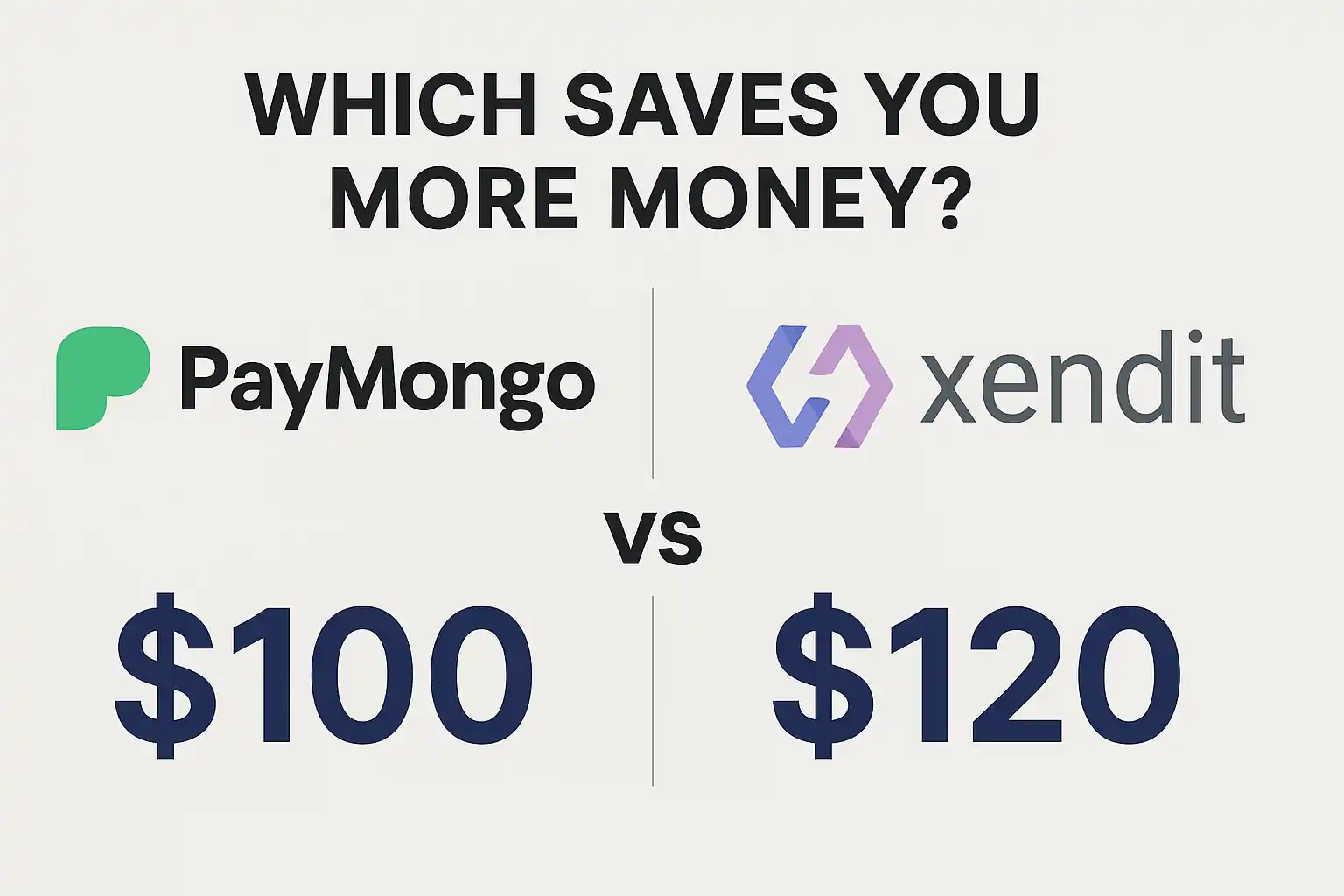
PayMongo has emerged as a leading payment gateway for Philippine ecommerce sites, offering a developer-friendly API that’s specifically designed for the local market. What sets PayMongo apart is its deep understanding of Philippines payment methods and local banking requirements.
PayMongo’s API excels in several key areas:
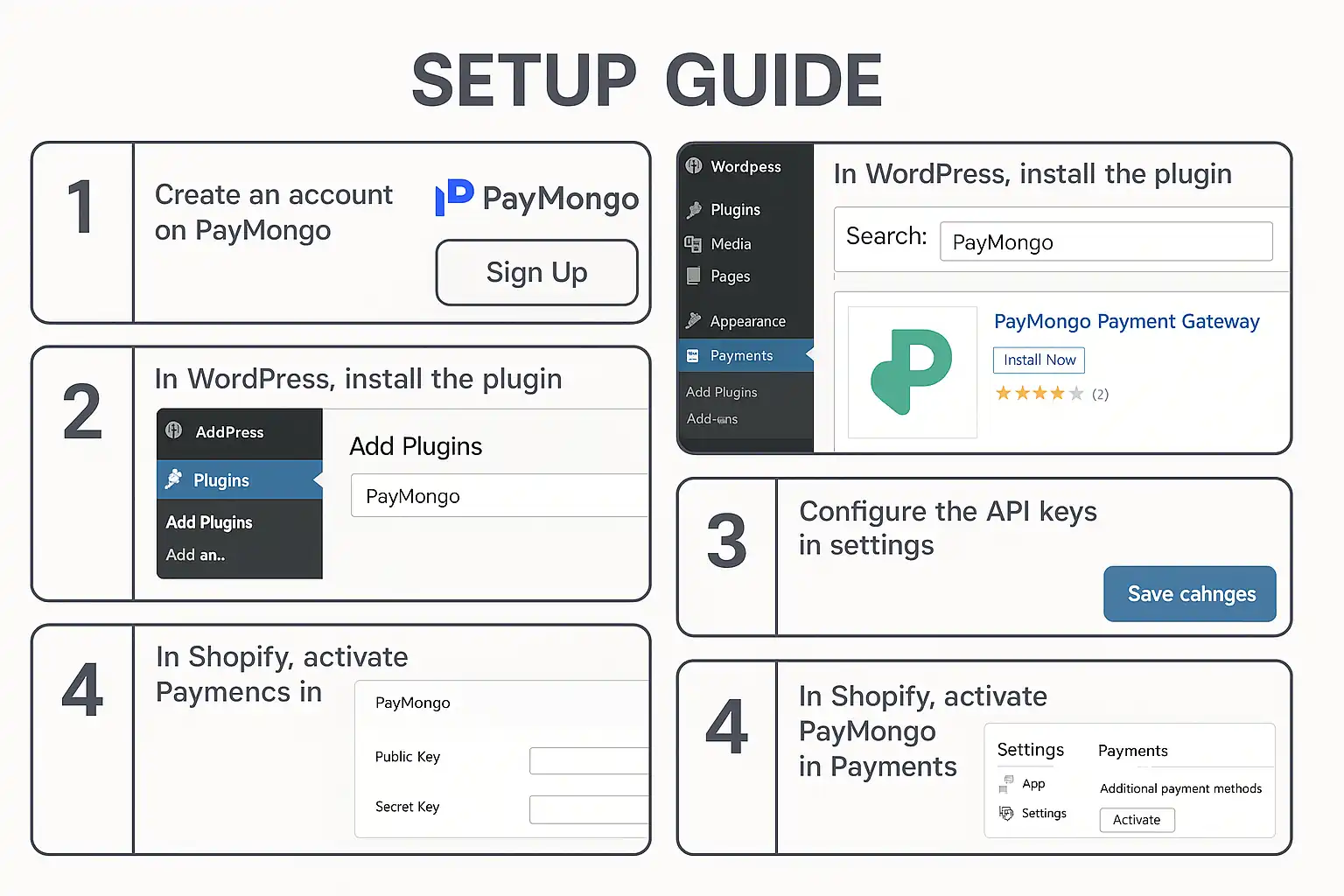
For WordPress developers, PayMongo WordPress plugin options make integration straightforward. The platform offers both official plugins and community-developed solutions that handle:
PayMongo Shopify integration represents a perfect marriage of international e-commerce platform capabilities with local payment expertise. This combination offers:
PayMongo recurring payments functionality enables subscription-based businesses to thrive in the Philippines. The API handles:
Xendit positions itself as a comprehensive financial technology platform serving Southeast Asia, with robust payment gateway for philippines offerings that cater to enterprise-level requirements.
The Xendit API integration provides extensive functionality including:
The Xendit website showcases a platform built for scalability and reliability. Key features include:
Xendit WooCommerce solutions provide WordPress e-commerce sites with powerful payment capabilities:
Implementing multiple payment gateway integration isn’t just about redundancy—it’s a strategic approach that offers several compelling advantages:
Risk Mitigation: If one gateway experiences downtime or technical issues, your business continues processing payments through backup systems. This approach can save thousands of dollars in lost revenue during critical periods.
Optimized Success Rates: Different gateways excel with different types of transactions. By intelligently routing payments based on card type, transaction amount, or customer location, you can significantly improve authorization rates.
Cost Optimization: Payment processing fees vary between providers and can depend on transaction volume, payment method, and geographic region. Multiple gateway integration allows you to route transactions to the most cost-effective option automatically.
Geographic Coverage: Some gateways perform better in specific regions or with particular local payment methods. Multiple integration ensures you can serve customers worldwide without compromising on payment success rates.
When designing a multiple payment gateway integration system, consider these architectural patterns:
This approach designates one gateway as primary for all transactions, with secondary gateways serving as failover options:
Customer Payment Request
    ↓
Primary Gateway Attempt
    ↓
Success? → Process Order
    ↓ (If Failed)
Secondary Gateway Attempt
    ↓
Success? → Process Order
    ↓ (If Failed)
Tertiary Gateway AttemptMore sophisticated systems use business logic to determine the optimal gateway for each transaction:
Create an abstraction layer that standardizes payment gateway interactions:
Benefits of Unified Interface:
Each payment gateway sends transaction updates through webhooks, but formats and timing vary significantly. Design a robust webhook management system that:
Payment gateway integration in mobile application environments requires special consideration for user experience, security, and platform-specific requirements.
Apple’s ecosystem offers unique opportunities and challenges:
Apple Pay Integration: Leverage the native Apple Pay APIs for seamless, secure transactions that don’t require users to enter card details manually. This approach can increase conversion rates by up to 30% compared to traditional card entry methods.
In-App Purchase Considerations: For digital goods and services, Apple requires use of their In-App Purchase system. However, for physical goods, services, or subscriptions that extend beyond the app, third-party payment gateways are appropriate and recommended.
Keychain Integration: Store payment tokens securely in iOS Keychain for returning customers, enabling one-touch payments while maintaining security standards.
Android’s flexibility allows for diverse payment integration approaches:
Google Pay Integration: Similar to Apple Pay, Google Pay provides streamlined checkout experiences that reduce friction and increase conversion rates.
Custom Payment Forms: Android’s flexibility allows for highly customized payment interfaces that can match your app’s design while maintaining security through tokenization.
Biometric Authentication: Integrate fingerprint, face recognition, or voice authentication for secure, convenient payment authorization.
For businesses using React Native, Flutter, or other cross-platform frameworks:
Unified Payment SDKs: Choose payment gateway providers that offer comprehensive cross-platform SDKs, reducing development time and ensuring consistent behavior across platforms.
Progressive Web App Integration: For web-based mobile applications, ensure payment gateways support PWA-specific features like payment request APIs and service worker compatibility.
Challenge: Handling sensitive payment data insecurely during integration testing or development.
Solution: Always use tokenization, even in development environments. Never log, store, or transmit raw card data through your systems. Implement proper secret management for API keys and ensure all communication uses HTTPS with certificate pinning.
Challenge: Creating smooth payment flows that don’t frustrate customers or increase abandonment rates.
Solution: Implement progressive disclosure in your payment forms, showing only necessary fields initially. Use real-time validation to catch errors early, and provide clear, actionable error messages when transactions fail.
Challenge: Supporting customers from different countries with varying payment preferences and regulatory requirements.
Solution: Research local payment preferences for your target markets. For example, payment methods Philippines differ significantly from European or North American preferences. PayMongo excels in local Philippine payments, while other providers might be better for global coverage.
Challenge: Navigating complex regulatory requirements across different jurisdictions.
Solution: Partner with payment gateway providers that handle compliance for you. Ensure your chosen provider maintains proper licensing in all countries where you operate and stays current with changing regulations like GDPR, PCI DSS, and local data protection laws.
Monitor and improve your payment authorization rates through:
Data-Driven Gateway Selection: Analyze which gateways perform best for different customer segments, transaction amounts, and geographic regions. Use this data to implement intelligent routing that maximizes success rates.
A/B Testing Payment Flows: Continuously test different checkout designs, field arrangements, and payment method presentations to optimize conversion rates. Small changes in form design can yield significant improvements in completion rates.
Real-Time Monitoring: Implement comprehensive monitoring that alerts you to declining success rates, unusual transaction patterns, or gateway-specific issues before they significantly impact revenue.
Understanding your customers’ payment behaviors enables better business decisions:
Payment Method Preferences: Track which payment methods your customers prefer and ensure you’re offering the most popular options prominently in your checkout flow.
Failure Analysis: Analyze failed transactions to identify patterns. Are specific card types failing more often? Are international transactions having issues? Use these insights to improve your payment processing strategy.
Customer Lifetime Value Correlation: Examine how payment method choice correlates with customer lifetime value. This data can inform marketing strategies and customer acquisition efforts.
Stay ahead of the curve by considering these developing trends:
Cryptocurrency Integration: As digital currencies become more mainstream, consider adding cryptocurrency payment options. Some payment gateway providers now offer simplified crypto processing that handles volatility and conversion automatically.
Voice Commerce: With the rise of smart speakers and voice assistants, prepare for voice-activated purchase flows that integrate with your existing payment gateway infrastructure.
Biometric Payments: Fingerprint, facial recognition, and other biometric authentication methods are becoming standard expectations rather than luxury features.
Design your payment integration architecture to handle growth:
Performance Under Load: Ensure your payment processing can handle traffic spikes during sales events, product launches, or viral marketing campaigns. Consider implementing queue-based processing for high-volume scenarios.
Geographic Expansion: Plan for international expansion by choosing payment gateways that can grow with you into new markets, or design your integration architecture to easily add new regional providers.
Regulatory Adaptability: Build flexibility into your payment processing system to adapt to changing regulations without requiring complete rebuilds.
Implementing a robust payment gateway integration API strategy requires careful planning, technical expertise, and ongoing optimization. Whether you choose PayMongo for its Philippine market expertise, Xendit for enterprise-grade capabilities, or implement a multiple payment gateway integration approach for maximum flexibility, the key is focusing on your customers’ needs while maintaining security and compliance standards.
The payment gateway landscape continues evolving rapidly, with new technologies, regulations, and customer expectations emerging regularly. By building a flexible, well-architected payment integration foundation today, you’re positioning your business for sustained growth and adaptation in the dynamic world of digital commerce.
Remember that payment integration is not a one-time implementation—it’s an ongoing optimization process. Continuously monitor your transaction success rates, analyze customer behavior, and stay informed about new payment technologies and providers that could benefit your business.
Ready to implement your payment gateway integration? Start by clearly defining your requirements, researching providers that serve your target markets, and building a proof-of-concept integration in a sandbox environment. With proper planning and execution, you’ll create a payment experience that not only processes transactions securely but also delights your customers and drives business growth.
What payment challenges are you facing in your current or upcoming projects? The right payment gateway integration API can transform these challenges into competitive advantages that set your business apart in today’s digital marketplace.
Professional
Expert web development services to grow your business online
Custom website development
Launch a powerful online store
Increase your visibility on search engines
Lightning-fast loading speeds
Protect your digital investment
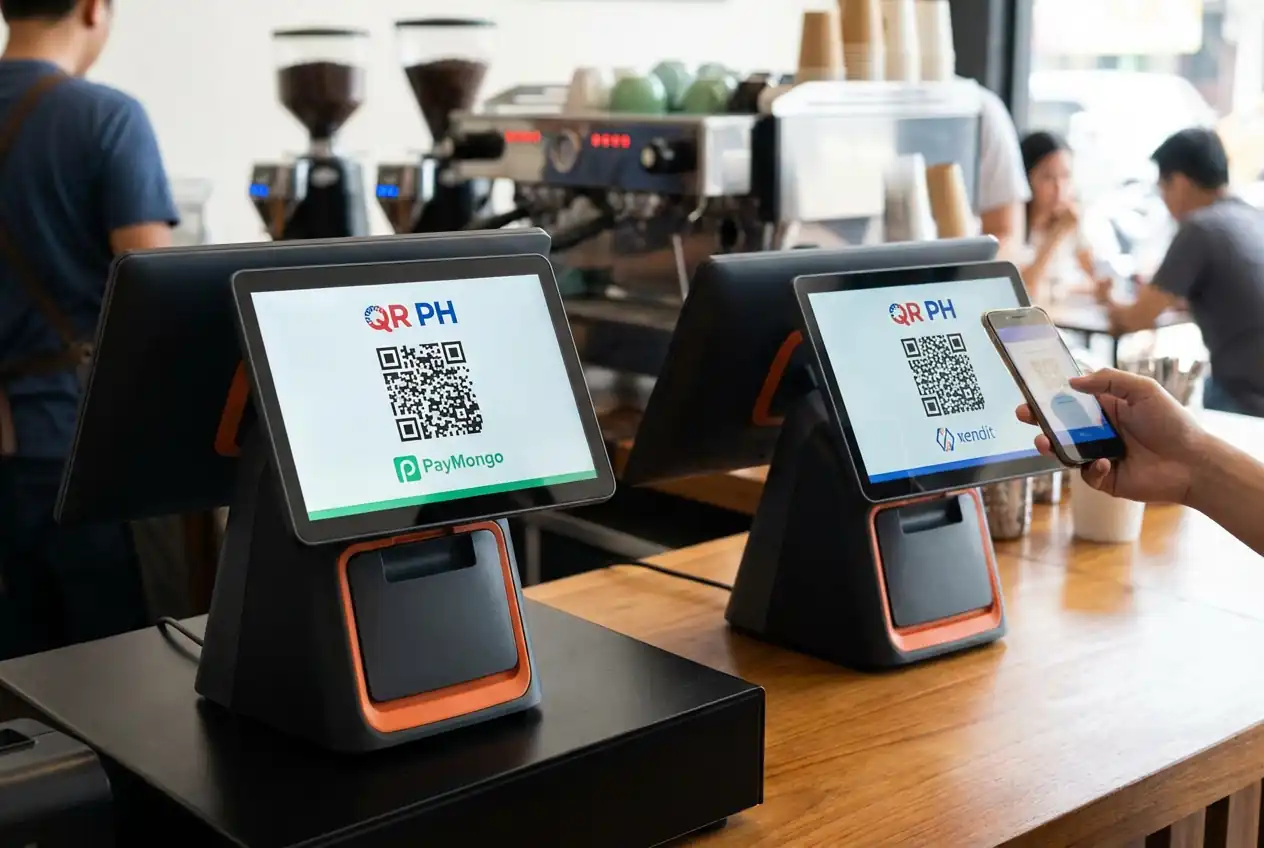
Learn how QR PH payment works for Philippine e-commerce. Compare PayMongo QR PH vs Xendit QR PH APIs, integration steps, and accepted merchants in 2026.
Explore 50+ bit form features including drag & drop, conditional logic, multi-step forms, analytics, and integrations. Master bitform WordPress plugin capabilities.
Master form conditional logic in WordPress with Bit Form. Learn how to create smart, dynamic forms using drag-drop builders and conditional rules step-by-step.
Learn Bit Form WordPress plugin inside out. Create contact forms, multi-step applications & surveys. Expert tips for conditional logic & styling.
Guide to integrating PayMongo payment gateway with WordPress and Shopify. Learn about GCash, fees, webhooks, test cards, and developer tools.
Compare PayMongo vs Xendit for your Philippine online store. Discover fees, features, integration options, and which payment gateway fits your business needs.

At KS Code, we specialize in crafting high-performing, visually stunning websites tailored to your business needs. From responsive designs to powerful e-commerce solutions, our goal is to help you stand out, engage users, and drive results online.