Are you ready to launch your online business but feeling stuck between building your own e-commerce store or selling through a marketplace? You’re not alone. This decision is one of the most critical choices you’ll make as an online entrepreneur, and it can significantly impact your profit margins, brand identity, and long-term growth potential.
Whether you’re exploring an ecommerce business in the Philippines or anywhere else in the world, understanding the fundamental differences between an e-commerce platform and a marketplace is essential. In this comprehensive guide, we’ll break down everything you need to know about both options, helping you make an informed decision that aligns with your business goals, budget, and vision for the future.
By the end of this article, you’ll have a clear understanding of which path makes the most sense for your unique situation.
Table of Contents
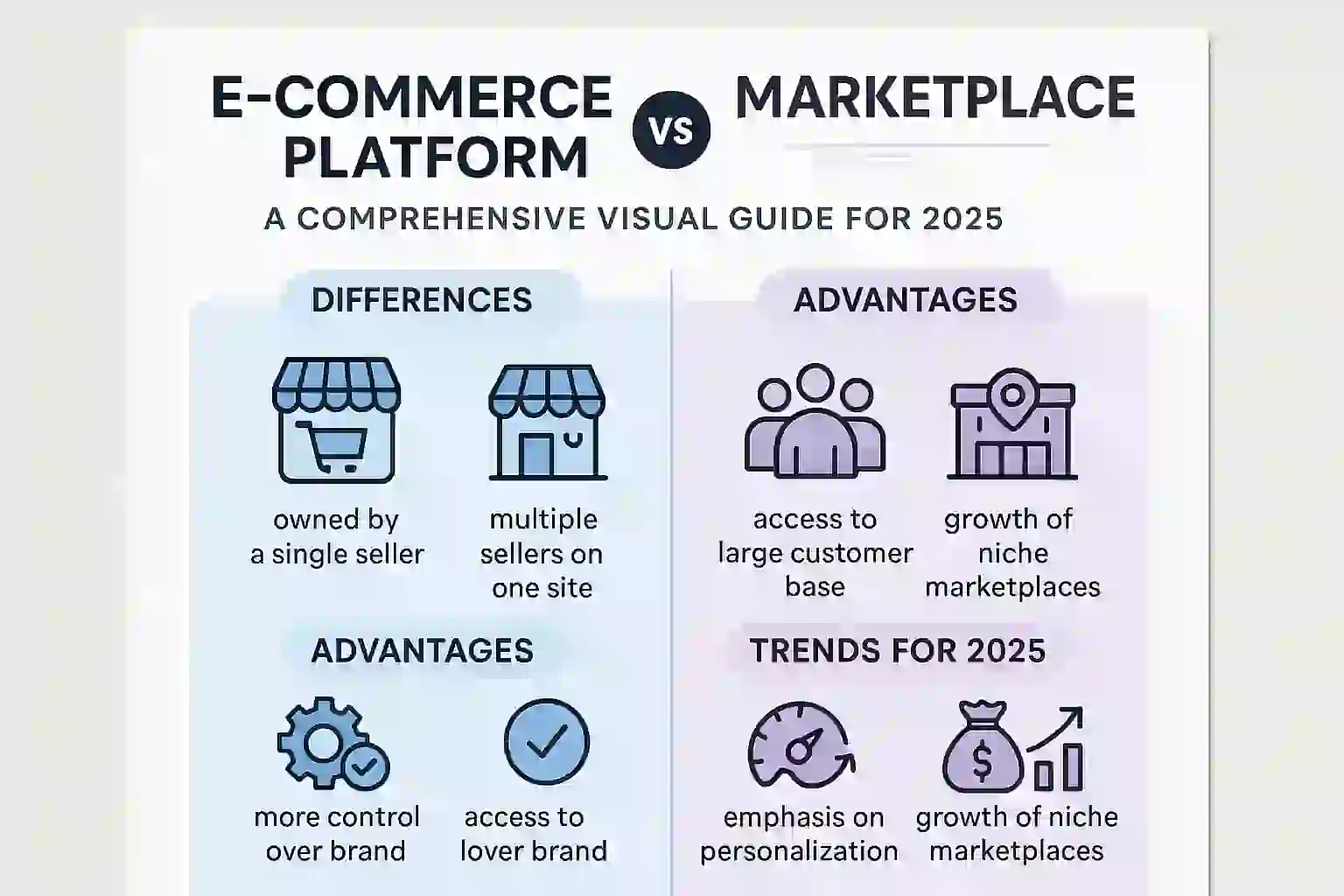
ToggleAn e-commerce platform is essentially your own digital storefront—a website where you have complete control over your brand, product listings, customer experience, and business operations. Think of it as owning your own retail space rather than renting a stall in someone else’s shopping mall.
E-commerce storefronts give you the freedom to:
Popular e-commerce platforms include Shopify, WooCommerce, BigCommerce, Magento, and Wix. These platforms provide the technical infrastructure you need to run an online store without building everything from scratch.
An e-commerce platform makes sense if you:
A marketplace is a platform where multiple sellers list their products under one umbrella website. The marketplace operator handles the technical infrastructure, brings in traffic, and often manages payment processing and customer service. You’re essentially renting space in a busy digital shopping center.
Types of marketplaces vary significantly in their structure and purpose:
1. B2C Marketplace Platforms
These connect businesses directly with consumers. Examples include Amazon, eBay, and any Philippine online marketplace like Lazada, Shopee, or Zalora. These platforms already have millions of active shoppers browsing daily.
2. B2B Marketplaces
Platforms like Alibaba and ThomasNet connect businesses with other businesses for wholesale or bulk purchases.
3. C2C Marketplaces
Consumer-to-consumer platforms like Facebook Marketplace, Carousell, and OLX allow individuals to sell to other individuals.
4. Niche Marketplaces
Specialized platforms focusing on specific product categories, like Etsy for handmade goods or StockX for sneakers and streetwear.
5. Social Media Marketplaces
Social media marketplaces like Facebook Shops, Instagram Shopping, and TikTok Shop have emerged as powerful selling channels, combining social engagement with commerce.
The advantages of marketplace selling are compelling, especially for new businesses:
Let’s break down the critical differences between these two approaches across several key factors.
E-commerce Platform:
You have complete control over your brand presentation, from colors and fonts to the entire customer journey. Your store is uniquely yours, and customers remember YOUR brand, not the platform.
Marketplace:
Limited branding opportunities. Your products appear alongside competitors, and customers often remember the marketplace name (like “I bought it on Amazon”) rather than your brand. Customization options are minimal.
E-commerce Platform:
Marketplace:
E-commerce Platform:
You’re responsible for driving all traffic to your store through:
Marketplace:
The platform brings traffic to you, but:
E-commerce Platform:
Marketplace:
E-commerce Platform:
Complete flexibility to:
Marketplace:
If you’re launching an ecommerce business in the Philippines, you have unique opportunities and challenges to consider.
The Philippines has one of the fastest-growing e-commerce markets in Southeast Asia. Mobile commerce dominates, with most Filipinos shopping primarily through smartphones. This makes choosing the right platform even more critical.
Philippine Online Marketplace Options:
E-commerce Platform Options:
Filipino consumers prefer various payment methods:
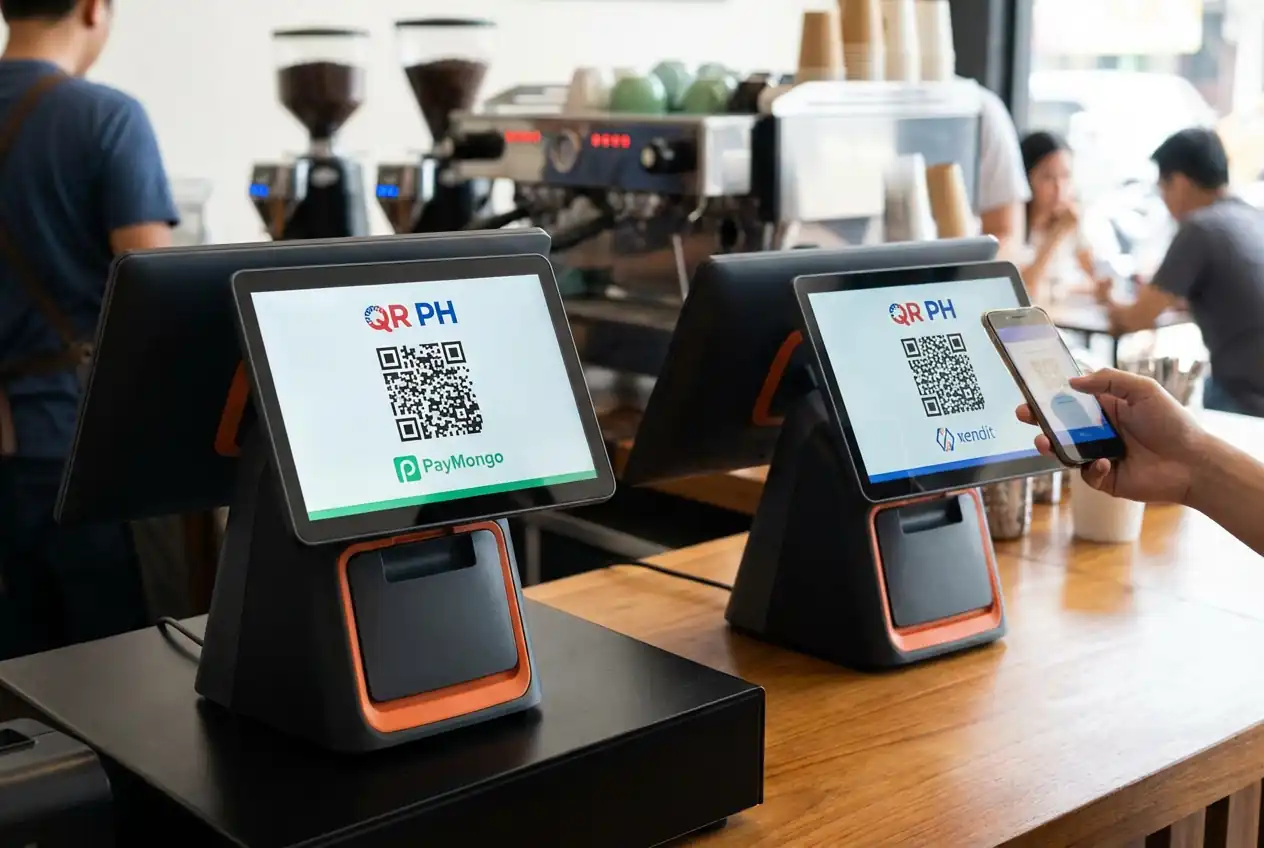
Your chosen platform or marketplace must support these local payment preferences. If you decide to build your own e-commerce platform, you’ll be responsible for choosing a payment gateway to process these transactions. Recently, the national QR Ph standard has revolutionized this process by allowing customers to pay from almost any local bank or e-wallet using a single, unified QR code. To see how the country’s top payment processors handle this vital checkout feature, check out our comprehensive guide on the QR PH Payment Method: PayMongo & Xendit Payment Gateway.
The Philippines’ geography presents unique logistics challenges. Consider:
Here’s something many successful online sellers won’t tell you upfront: you don’t have to choose just one option. A multi-channel strategy often delivers the best results.
Many entrepreneurs begin with a B2C marketplace platform to:
Once you’ve validated your products and built some momentum, you can:
Successful multi-channel sellers:
1. Underestimating Marketing Costs
Building your own store means nothing without traffic. Budget adequately for customer acquisition.
2. Overcomplicating Your Store
Start simple. You don’t need every feature on day one. Focus on a clean, functional store that converts.
3. Ignoring Mobile Optimization
Over 70% of e-commerce traffic comes from mobile devices. Your store must work flawlessly on smartphones.
4. Poor Product Photography
Without the trust of a marketplace brand, your product images must be exceptional.
5. Neglecting Customer Service
You’re the face of your brand. Slow or poor customer service will kill your reputation quickly.
1. Violating Platform Policies
Read and understand all rules. Account suspension can devastate your business overnight.
2. Competing Solely on Price
Racing to the bottom on price is unsustainable. Focus on value, service, and differentiation.
3. Ignoring Reviews and Ratings
Your reputation on marketplaces is everything. Actively manage reviews and address issues promptly.
4. Failing to Optimize Listings
Marketplace SEO is real. Use relevant keywords, quality images, and compelling descriptions.
5. Not Diversifying
Relying on a single marketplace is risky. Platform policy changes or account issues can eliminate your income overnight.
Still unsure which path to take? Ask yourself these questions:
Maria started selling handmade accessories on Shopee with just ₱5,000 in capital. Within six months, she was generating ₱100,000 monthly in sales. The marketplace’s built-in traffic and trust allowed her to focus purely on product quality and customer service. She later expanded to Lazada and eventually launched her own Shopify store for brand-conscious customers willing to pay premium prices.
Carlos launched a specialty coffee e-commerce store using WooCommerce. While his first three months were slow, his investment in content marketing and Instagram advertising paid off. Within a year, he had built a loyal customer base, owned valuable customer data, and created a recognizable brand. His profit margins were significantly higher than marketplace sellers because he avoided commission fees.
Jennifer sells skincare products through both her Shopify store and multiple marketplaces. She uses marketplace sales for volume and customer acquisition, then retargets those customers to her website with exclusive bundles and subscription options. This approach gave her the security of marketplace traffic while building long-term brand equity.
Social media marketplaces are exploding. Platforms like TikTok Shop and Instagram Shopping are blurring the lines between social media and e-commerce. Consider how these fit into your strategy.
Both platforms and marketplaces are investing heavily in AI-driven personalization. Sellers who leverage these tools will have significant advantages.
Consumers increasingly care about sustainable and ethical business practices. This trend favors brands with stories—an advantage for e-commerce platforms over anonymous marketplace sellers.
As voice assistants become more sophisticated, voice shopping will grow. Marketplace presence may be crucial for voice commerce discovery.
AR try-before-you-buy features are becoming standard. Consider how your chosen platform supports these emerging technologies.
The ecommerce platform vs marketplace decision isn’t about finding the universally “right” answer—it’s about discovering what’s right for YOUR business at THIS stage of your journey. Both approaches have created countless success stories, and both have their place in the modern e-commerce ecosystem.
If you’re just starting out with limited capital and want to test the waters, a Philippine online marketplace like Shopee or Lazada offers the fastest path to your first sales. The built-in traffic, trust, and simplified operations let you focus on what matters most: understanding your customers and refining your products.
If you’re ready to invest in building a lasting brand with higher profit margins and complete control, an e-commerce platform gives you the foundation for sustainable, long-term growth. Yes, it requires more effort upfront, but you’re building an asset you truly own.
And remember: this doesn’t have to be a permanent, all-or-nothing decision. The most successful online sellers often use a hybrid approach, leveraging the advantages of marketplace selling while simultaneously building their branded presence.
Your next step? Choose one approach and commit to it for at least 90 days. Give yourself enough time to learn, optimize, and see real results before making major changes. The e-commerce world rewards action and persistence far more than perfect planning.
What will you choose? The bustling marketplace or your own digital storefront? Or perhaps both? The opportunity is waiting—now it’s time to take that first step.
Professional
Expert web development services to grow your business online
Custom website development
Launch a powerful online store
Increase your visibility on search engines
Lightning-fast loading speeds
Protect your digital investment
Learn how QR PH payment works for Philippine e-commerce. Compare PayMongo QR PH vs Xendit QR PH APIs, integration steps, and accepted merchants in 2026.
Explore 50+ bit form features including drag & drop, conditional logic, multi-step forms, analytics, and integrations. Master bitform WordPress plugin capabilities.
Master form conditional logic in WordPress with Bit Form. Learn how to create smart, dynamic forms using drag-drop builders and conditional rules step-by-step.
Learn Bit Form WordPress plugin inside out. Create contact forms, multi-step applications & surveys. Expert tips for conditional logic & styling.
Guide to integrating PayMongo payment gateway with WordPress and Shopify. Learn about GCash, fees, webhooks, test cards, and developer tools.
Compare PayMongo vs Xendit for your Philippine online store. Discover fees, features, integration options, and which payment gateway fits your business needs.

At KS Code, we specialize in crafting high-performing, visually stunning websites tailored to your business needs. From responsive designs to powerful e-commerce solutions, our goal is to help you stand out, engage users, and drive results online.